
- +91 9127008800
- Rentrip VIP New
- Blog
- Guided Tours
- Contact Us
- Offers
- Reviews
-
Download App


-
Download App
- Login / Register
Shopping Cart
Location
Cities
Best Time to Visit India by Region: North, South, East & Northeast

Blog
Home Blog
CATEGORIES
All Categories
ARCHIVES
All Dates
.webp)
Best Time to Visit India by Region: North, South, East & Northeast
India is the most geographically diverse country on earth. The climate changes in a great way from one region to another, from the snow-clad hills of the north to the tropics in the south, from the thick forests of the north-eastern regions to the wide expanse of the east. Hence, there is no 'best time' for India as a whole. This will depend on your destination.
This guide details the best travel periods according to region, so you can confidently plan your travel.
North India
Best time to visit: October to March
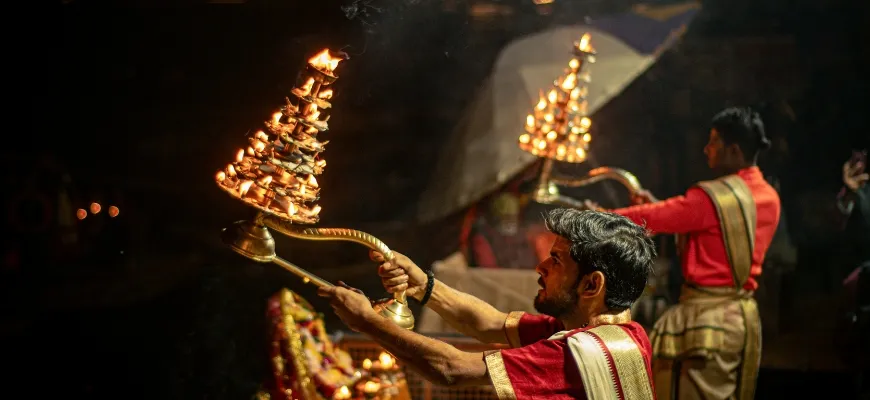
North India includes states like Rajasthan, Delhi, Uttar Pradesh, Punjab, Himachal Pradesh, and Uttarakhand. The most comfortable weather in this region falls between October and March, when temperatures are cool and pleasant. This is the peak tourist season, especially for destinations like Jaipur, Agra, Varanasi, and Delhi.
Temperatures are very low in December and January and can go close to freezing in hilly regions, including cities like Delhi. For those planning to go to hill stations such as Shimla or Manali during the winter season, expect a lot of snowfall and road closures.
The summer months in the North Indian plains are extremely hot, and temperatures often reach above 40 degrees Celsius in April-June. Both Rajasthan and Delhi are very hot during this time. But the hill stations of the Himalayas are a hot summer vacation spot during this time.
The monsoon season is from July to September. Though it brings in a little bit of a cooling effect, moderate rainfall in North India can cause some hassle in travel planning. The rainfall in Rajasthan is less than that of the other northern regions.
South India
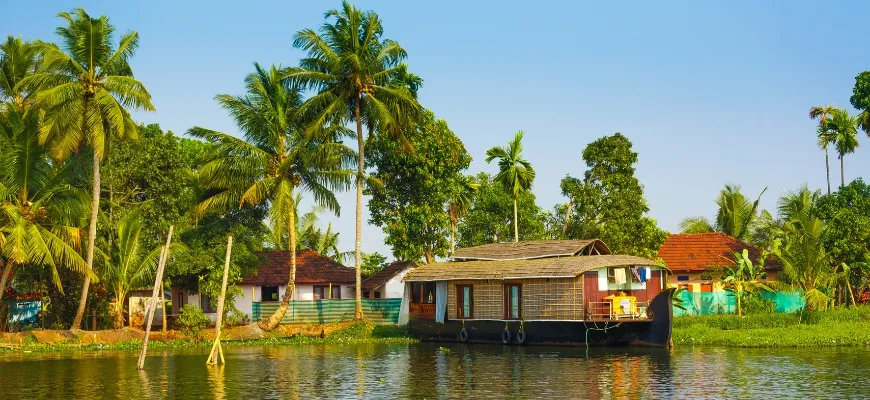
Best time to visit: November to February
Kerala, Tamil Nadu, Karnataka, Andhra Pradesh and Telangana are all part of the South India region. This area has a tropical, warm climate year round, with November to February being the most pleasant period. The weather is mostly pleasant, skies are not cloudy, and it is perfect for visiting beaches, temples, hill stations and wildlife sanctuaries.
The climate of South India has two monsoon periods, one Southwest Monsoon (June to September) and another Northeast Monsoon (October to December). June, July and August are very rainy times of the year in Kerala and also in coastal Karnataka. The main rainy season in the Northeast Monsoon is October to December, and it mainly impacts the states of Tamil Nadu and portions of Andhra Pradesh.
The backwaters of Kerala are a beautiful place to visit in September and October following the rain and before the crowds are in place. The hills, Coorg and Ooty are pleasant from March to June as well as during the period September to November.
The summer months in South India (March to May) can be hot and humid, especially in coastal areas. Generally, the summers in the interior plateau areas such as Bengaluru and Hyderabad are milder than in coastal cities.
East India
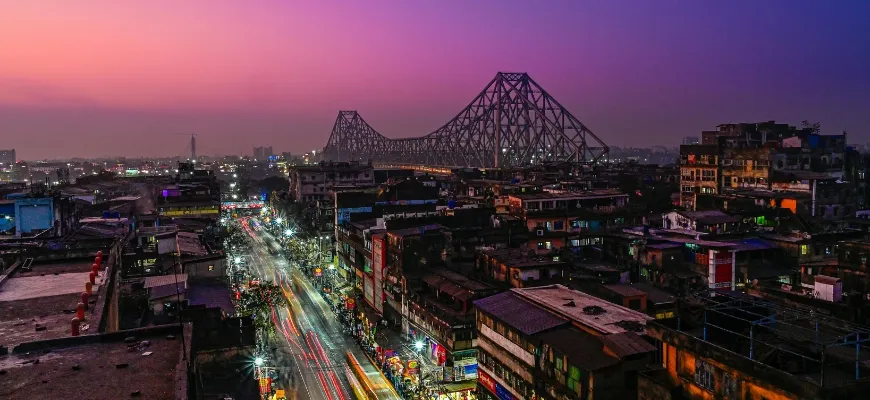
Best time to visit: October to March
The states of West Bengal, Odisha, Jharkhand, Bihar and Chhattisgarh are included in East India. October through March is the ideal time to visit, as it is cooler and less humid. October and November are great times, especially because the monsoon is over, and the scenery is new and green.
October and November are the best times to visit Kolkata, the cultural capital of the east, as the city comes to a halt during the Durga Puja festival. The weather is cool, and the spark of holiday cheer is high.
Coastal regions of Odisha, like Puri and Konark, are also best visited from October to February. It's a season when the Sun Temple at Konark and the beaches of Puri attract tourists in huge numbers.
Most of the east part of India is hot and humid during summers (April to June). Heavy rains occur during monsoon season (June to September), mainly in the coastal and forested regions. It can be challenging to travel during this time of year because of possible flooding and road damage in lower-lying areas.
Sikkim and Darjeeling are in East India but are more akin to the northeastern hills in terms of their climate. The best mountain views and most pleasant trekking weather are during the months of March to May and October to November.
Northeast India
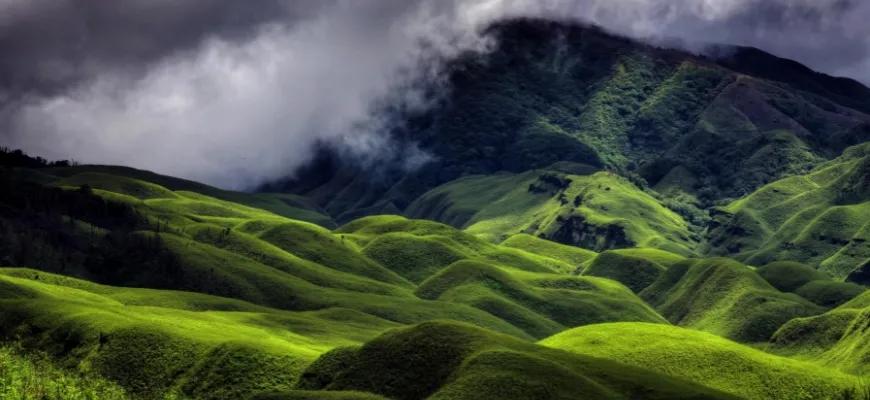
Best time to visit: October to April
Northeast India is comprised of seven states, referred to as the Seven Sisters, which are Assam, Meghalaya, Manipur, Mizoram, Nagaland, Tripura, and Arunachal Pradesh. This area is one of the wettest areas in the world. Mawsynram and Cherrapunji (Meghalaya) are some of the wettest places in the world.
October to April is the best time to visit the northeast, during the monsoon's retreat and when the climate is fairly cool and dry. October to December is a great time to see animals at Kaziranga National Park, Assam, where India's one-horned rhino can be spotted. The park is shut during the rainy season because of flooding.
February and March are the best times to visit Meghalaya and Nagaland. One of the most celebrated cultural festivals in Nagaland is the Hornbill Festival, which is celebrated during the first week of December.
October to April is the best time to visit Arunachal Pradesh. The Tawang Valley is famous for its heavy snowfall beginning from December and hence also an amazing winter spot, but at the same time it is very difficult to travel around in the snowy conditions.
The monsoons are strong and pronounced throughout the northeast from May to September. This is the time when many areas experience heavy rain, landslides and flooding. Generally, it is not advisable to travel unless you are going to see the lush green landscapes and are prepared for erratic weather.
Planning Your Trip Around the Seasons
A key factor to remember while planning a regional trip in India is that distances are vast and roads are of varying quality. From visiting royal cities in Rajasthan, to cruising along the coastlines of Kerala, or hopping on the roads into the mountains in the northeast, having your own car affords you the freedom of travel, the ability to go at a leisurely pace, and the chance to visit places that public transport can't reach.
If you're thinking of hiring a car for a self-drive tour through any of these areas, Rentrip is there to help you with self-drive car rentals in India and provides a variety of vehicles for various terrain and styles of travel. It is advisable to make reservations in advance during the high tourist season.
Quick Reference by Region
North India: October to March (plains); March to June (hill stations) South India: November to February East India: October to March, Northeast India: October to April
Final Word
Travellers who plan ahead will be rewarded in India. It's so amazing because even the same country can experience a very different weather pattern in different regions at the same time of year, such as the cold temperature in Ladakh and the hot in Rajasthan. Familiarising yourself with the local climate before you arrange a trip will prevent a lot of heartache and make sure you're booking the best parts of each destination.
It is important to plan a visit well if you are visiting this country for the first time or returning to discover a new region.
Grow your business with Rentrip.
List your bike and become a member of rentrip family.


Comments
Be the first one to comment on this post.
Submit a Comment
Login or Register to add your comment