
- +91 9127008800
- Rentrip VIP New
- Blog
- Guided Tours
- Contact Us
- Offers
- Reviews
-
Download App


-
Download App
- Login / Register
Shopping Cart
Location
Cities
Winter in the Pink City: A 3-Day Jaipur & Pushkar Itinerary

Blog
Home Blog
CATEGORIES
All Categories
ARCHIVES
All Dates
Winter in the Pink City: A 3-Day Jaipur & Pushkar Itinerary
In December, the desert changes. Gone is the intense heat driving visitors inside by midday; replaced are chilly mornings encouraging exploration and evenings cool enough for rooftop meals beneath starry skies. Rajasthan's winter season enlivens the state, and nowhere is this more clear than in Jaipur and the holy village of Pushkar, just a few hours away.
December in Jaipur: Nice Sun and Cool Nights
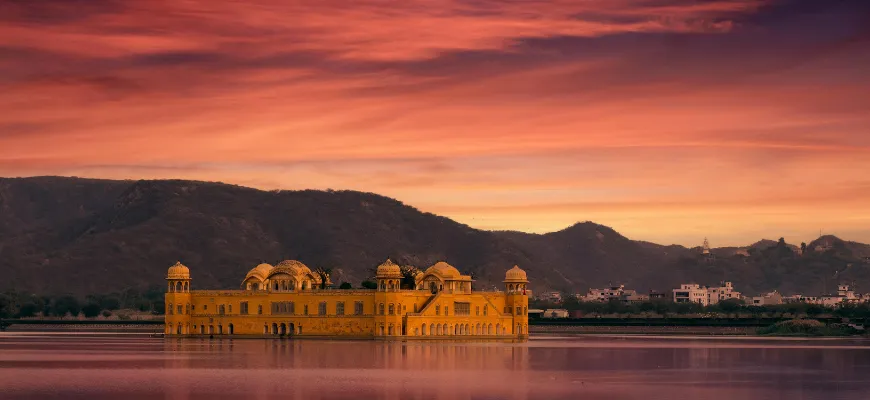
Jaipur December's weather has something exceptional in Rajasthan: balance. With daytime highs ranging comfortably between 22 and 26 degrees Celsius, it is warm enough for sightseeing without the stifling heat that characterizes summer months. The actual gift arrives after sunset, when temperatures fall to a comfortable 8-12°C, ideal for exploring the illuminated palaces and energetic bazaars that define the Pink City.
Layers for your December vacation packing. Mornings starts cold, sometimes necessitating a light jacket or shawl, especially if you intend to visit hillside castles to witness dawn. You'll lose those layers around noon as the winter sun heats the sandstone buildings Jaipur is known for its rosy color. That coat reappears in the evening as must-have equipment for exploring shops or eating outside at one of the city's heritage hotels.
Rajasthan's winter light calls for particular note. Photographers know December provides the clearest skies and most vivid shadows, therefore turning unremarkable fortress walls into postcard-worthy objects. Magical effects on the complex exteriors of Hawa Mahal and the commanding walls of Amer Fort are produced by the low-angle sun during morning and late afternoon golden hours.
From Jaipur to Pushkar: The 3-Hour Dash

Among Rajasthan's most satisfying brief road trips is the 145-kilometer distance from Jaipur to Pushkar. Offering views of desert settlements, rare wildlife crossings, and roadside dhabas serving genuine Rajasthani food, National Highway 58 cuts across the Aravalli hills. Although this assumes you don't halt every few kilometers to record camels crossing the road or seize the spectacular scenery, the drive normally lasts three hours.
Having your own car turns this trip from merely a form of transportation into an adventure. Only when you are not bound by bus timetables or taxi meters does the flexibility to divert to Ajmer's Dargah Sharif, halt at roadside temples, or explore little hamlets become possible. The route itself shows rural Rajasthan in ways that rushing across cities cannot grasp.
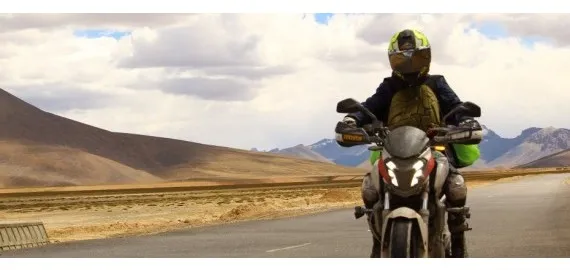
For individuals contemplating self-drive bike trips, the road conditions remain good all winter with well-kept tarmac and evident signage. Morning departures are ideal; you can arrive in Pushkar by lunch and spend the afternoon exploring the ghats before the temperature falls. From exploring small hamlet streets to spotting secret viewpoints unreachable by automobile, many visitors discover that a two-wheeler unlocks even more chances.
Investigating Amer Fort and Nahargarh: Why You Need Your Own Vehicle
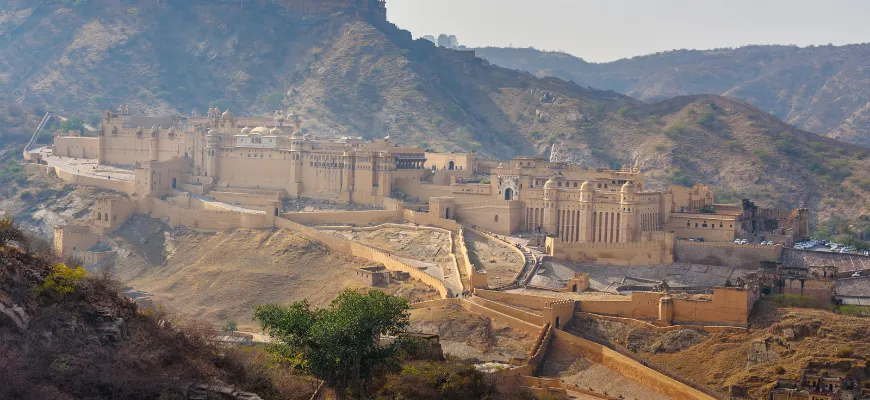
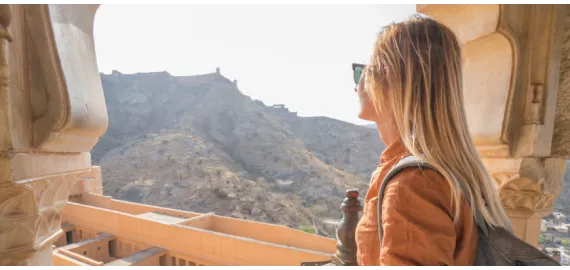
The hilltop fortresses of Jaipur honor people who manage their own timetable. Eleven kilometers outside of the city core, Amer Fort needs at least three hours for adequate inspection. Most tourist buses provide only around ninety minutes to hurry guests through corridors and courtyards that call for meditation. Arriving before the throng with your own wheels, you see morning light pour through jali screens and peacocks yet wander the ramparts peacefully.
Independent transportation helps make the climb to Nahargarh Fort, perched on the border of the Aravalli mountains, bearable. The winding road up has more and more breathtaking vistas of Jaipur spreading below, with the pink-painted Old City standing out among contemporary structures. Here, sunset outings have grown quite well-known; parking fills swiftly after 4 PM, but those on bicycles find tucking into tight spaces much simpler than navigating automobiles.
Between these main locations are lesser gems that arranged excursions miss totally. The step wells, deserted mansions, and neighborhood temples strewn across the edges of Jaipur need the freedom to explore without clock watching. Own vehicle lets you go after local recommendations, search fascinating signs along side streets, and create an itinerary that mirrors your hobbies rather than that of a tour operator.
How Tourists Might Negotiate the Old City: Parking and Traffic Advice

Jaipur's walled Old City provides the most cultural rewards as well as the most challenging navigation difficulties. While cars can be accommodated on the main market routes, locating parking close to famous sites like Hawa Mahal or Jantar Mantar demands patience and local knowledge. Near City Palace, several paid parking facilities offer rather safe area and charge reasonable rates, but they fill by mid-morning during high season.
Two-wheelers have several benefits in the maze of roads that characterizes the Old City. Bikes are perfect for serious shopping or photography trips since they enable one to squeeze across restricted corridors, park near to store exits, and flee crowded locations. While the stretch from 4 PM to 7 PM sees maximum traffic as residents go back and tourists throng to stores, morning hours before 10 AM have reduced traffic.
Smart navigation helps one to grasp the circular arrangement of the Old City. Reference for orientation are the major gates—Ajmeri Gate, Sanganeri Gate, and New Gate. Most heritage sites are found in the northern and central areas; the finest street cuisine and true buying lurks in southern lanes close to Tripolia Bazaar. While asking for directions becomes part of the cultural experience, GPS often malfunctions in narrower lanes. On major roadways, however, it reliably functions.
Most self-drive companies offer basics for car problems, including data-laden local SIM cards and basic maps flagging visitor-friendly parking spaces. The investment in having your own transportation yields returns in Jaipur, where flexibility in mobility and time often determines the contrast between a hurried sightseeing list and actual exploration.
Daily Analysis: Maximizing 72 Hours
Day 1: Heritage on Jaipur's Hilltops
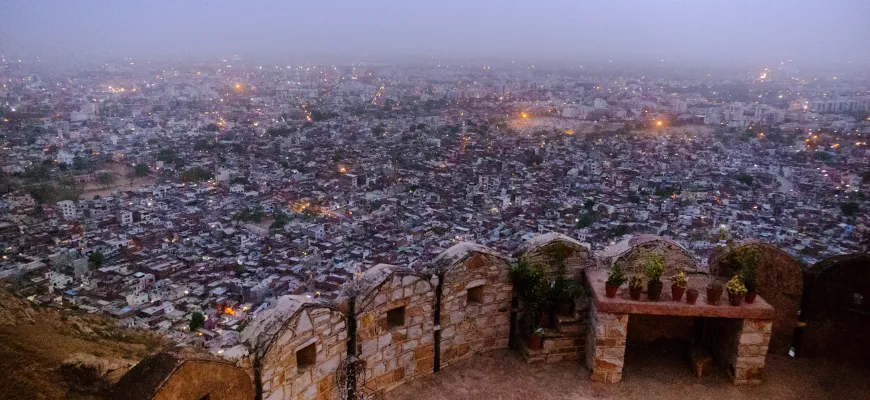
Early beginning at Nahargarh Fort with sunrise. Slowly awakening beneath you, the metropolis cooking fires send thin wisps of smoke; traffic starts its daily roar. Drop for breakfast at a nearby favorite like Tapri Central, where ginger chai and kachoris drive the day ahead. Spend the middle of the day at Amer Fort investigating its vast courtyards, mirror-work chambers, and complex Sheesh Mahal that appears to capture starlight even in daytime.
Afternoon heat points to heading to Jaigarh Fort, just above Amer, even in December. Providing respite from tourist swarms, this operating stronghold houses the biggest wheeled gun in the world. Through a secret passage once used by royalty, the rampart walk offers amazing Aravalli vistas and connects to Amer below. Go back to the city in the evening to browse the Old City markets, where block-printed textiles, blue pottery, and silver jewelry require browsing time.
Day 2: The Pushkar Road
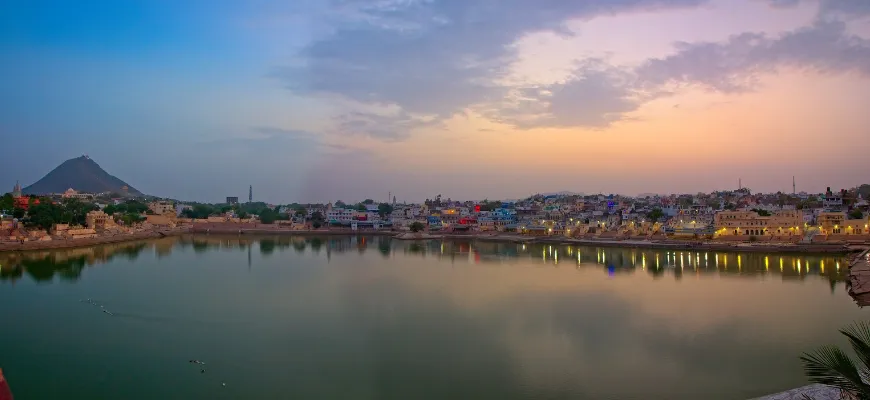
Depart Jaipur at 8 AM and give three hours for the Pushkar trip with halts. Keep an eye out for village livestock treating roadways as public commons even if the highway is smooth. Arrive in Pushkar before lunch, check into hotel close to the ghats, and spend the afternoon exploring this very small holy town. Fifty-two ghats encircling the lake make up the spiritual heart, where pilgrims wash and feed revered fish.
To get sweeping vistas of the village, the surrounding desert, and the far-off Aravalli range, climb Savitri Temple. Though the ascent is thirty minutes, every step reveals sweeping views. Evening aarti on the primary ghat provides a remarkable event: oil lamps floating on water against whitewashed walls chanting. Offering everything from genuine Rajasthani thalis to good Italian cuisine in rooftop locations, Pushkar's cafes welcome visitors from all over.
Day 3: Pushkar Morning, Jaipur Return
Catch sunrise at the lake, when mist rises from water and the town slowly stirs to life. Morning puja rituals provide insights on daily spiritual life; at the same time, flower sellers get marigold garlands ready for temple offerings for the neighboring streets. Peruse the renowned Pushkar Market, noted for textiles, jewelry, and spiritual products ranging from authentic craftsmanship to visitor baubles.
Start the return trip at noon, perhaps detouring via Ajmer to see the Dargah Sharif, among the most significant Islamic sites in India. In afternoon light, the ride back to Jaipur has different characteristics as the scene changes from religious to regal as you draw nearer to the Pink City. Use the evening for destinations missed on Day 1, maybe shopping for last-minute souvenirs in Johari Bazaar or visiting the astronomical instruments at Jantar Mantar.
Practical Winter Travel Ideas
December marks festival season in Rajasthan, thus room rates rise and famous hotels book months in advance. Though they command premium rates during peak season, heritage properties offer the most atmospheric stays. Many times with more personality than drab chain hotels, budget guesthouses offer clean, cozy alternatives in each city.
Although food safety is still important all year, winter's colder weather means less danger for street cuisine than summer's hotter months. For decades, Jaipur's Lassiwala has been serving the same thick, creamy lassi, while Rawat Misthan Bhandar's pyaaz kachori appeals to visitors as well as inhabitants. Pushkar's vegetarian-only policy allows innovative meat-free meals ranging from Israeli-inspired cafes to traditional Rajasthani dal baati churma.
Vehicle preference and comfort with Indian traffic determine your choice. Cars give space for luggage and shelter against elements, therefore vital for three-day travels with shopping itinerary. Particularly helpful in crowded Old City regions and Pushkar's tiny lanes, bikes offer agility and parking convenience. Both choices function well on the Jaipur-Pushkar road, which preserves excellent conditions all year round. Self-drive car rentals at Jaipur airport or city locations let you begin discovery straight away after landing.
Beyond the Traditional Circuit
Rajasthan benefits more thorough exploration for those with extra time or particular hobbies. About an hour outside Jaipur, India's biggest inland salt lake, the Sambhar Salt Lake draws migrating birds during winter months. Surreal sceneries that photographers value are produced as flamingos wade in shallow water against white salt flats.
Unavoidable on the Pushkar path, Ajmer merits more than a brief stop. Centuries of architectural development and religious devotion are seen in the Dargah Sharif complex, the tomb of Sufi saint Moinuddin Chishti. On Thursday evening, audiences looking for the transcendental aspects of qawwali concerts gather. For history buffs, the town also has the Taragarh Fort ruins and Ana Sagar Lake for leisurely evening strolls.
Near both cities, village life offers insight on the ongoing customs of rural Rajasthan. Many community-based tourism programs greet visitors for meals, crafts shows, or overnight lodging in historic houses. When you plan your schedule and can follow recommendations that spontaneously surface, these meetings—impossible on rushed bus tours—become feasible.
The Case for Independent Exploration
Although package tours cover the important locations effectively, they miss the findings that turn vacations into recollections. Finding the ideal block-print workshop via a chance chat, stumbling onto a wedding procession in full swing, or seeing artists make blue pottery in family studios calls for the freedom to roam without time limits. The nice weather of December makes such walking not only doable but also really pleasurable.
In Rajasthan, independent mobility is most important as distances between places and the benefits of discovery beyond visitor hubs both reveal themselves considerably. Though having your own car helps you make the most of limited time, the three days this itinerary suggests barely touches the surface of what Jaipur and Pushkar have to offer. Self-drive choices let you move at your own speed—whether that means hanging around a sunset perspective or making unplanned detours to village markets found along the road.
Those who accept both preparation and spontaneity are rewarded by the pink city winters. Understand the essential locations yet provide space for detours. Reserve accommodations in advance but allow evenings open for where curiosity guides. Part of Rajasthan's allure is its amazing architecture and deep history, but also in unexpected events that happen as visitors leisurely traverse the countryside, free to halt, explore, and find what lies around the following road bend.
Top Car Rental Cities in India
Grow your business with Rentrip.
List your bike and become a member of rentrip family.


Comments
Be the first one to comment on this post.
Submit a Comment
Login or Register to add your comment