
- +91 9127008800
- Rentrip VIP New
- Blog
- Guided Tours
- Contact Us
- Offers
- Reviews
-
Download App


-
Download App
- Login / Register
Shopping Cart
Location
Cities
Car Breakdown, Accidents & More: Road Trip Emergency Guide India

Blog
Home Blog
CATEGORIES
All Categories
ARCHIVES
All Dates

.webp)
.webp)
Car Breakdown, Accidents & More: Road Trip Emergency Guide India
Indian road trips are a phenomenal journey, from the mountainous roads of Himachal Pradesh to the never-ending coastal highways of Kerala. However, despite good planning, an emergency may arise. A tyre burst along an isolated road and a small car crash in a major town or even an engine that does not want to obey orders can easily transform a thrilling excursion into a nightmare.
This guide can make you ready for the most frequent road accidents in India; that is, you will be aware of what to do, whom to call, and how to remain safe.
1. Car Breakdown in the Middle of Nowhere
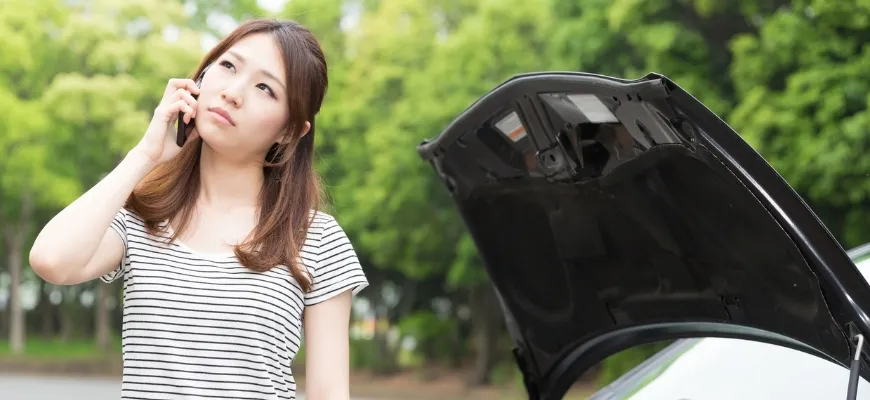
It is probably the most typical road trip nightmare. Here is what to do step by step:
Park in the area of the road on the leftmost side that is not in the direction of the traffic. Switch on those hazard lights as soon as possible, even the next day. Put a warning triangle or any reflecting object at the back of your car at a distance of 50 metres to warn the approaching cars.
Do not stand either behind or in front of the car. Remain on the road, and not on the road itself.
Dial your roadside assistance number on your car. In case you have hired a self-drive vehicle, the company that has rented you the car normally has a helpline that is available 24/7. Have this number on hand when you are on the road. Call them also in case you bought roadside assistance insurance.
When you are in a distant location with no cell phone connection, walk to an elevated place or a dhaba or a petrol pump. The vast majority of the truck drivers and locals are very much looking forward to Indian highways.
2. Tyre Blowout While Driving
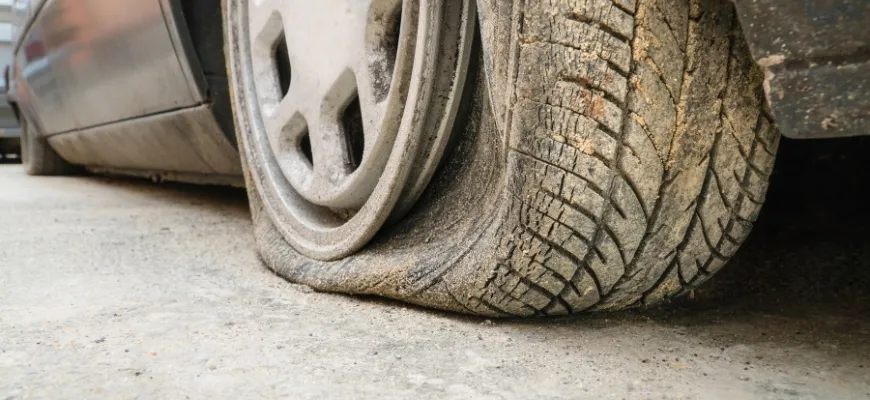
When the tyre suddenly bursts at high speed, it is horrifying but can be handled provided that one reacts accordingly.
Calm down and do not slam the brakes. Hold on to the steering wheel between your hands. Slowly taper the accelerator, allowing the car to slow down naturally. Gently turn the steering wheel to maintain the straightness of the car. Light braking should only be applied when the car has decelerated considerably. Stop on the shoulder.
You should always have a spare tyre, a working jack and a lug wrench. Even most people forget that they should check the air pressure of their spare tyre before embarking on any long journey.
3. Accident — Minor or Major
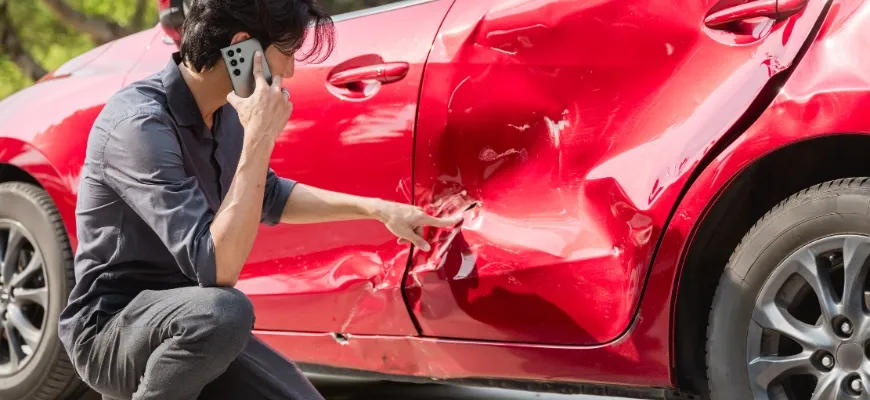
A small scratch must be addressed properly in India to prevent legal and insurance problems.
The first one is to check whether someone is injured. Should an individual be injured, then dial 112 (the national emergency number). Unless persons are in danger, do not move seriously injured persons in case of fire.
In case it is a minor accident that does not involve injuries, pull the vehicles to the shoulder of the road to clear traffic. Before moving anything, take pictures of the damage, the location of the vehicles, and the place around. Record the other vehicle registration number, name of the driver and details of the insurance.
When major damage, injury or a dispute is caused, file a First Information Report (FIR) at the closest police station. This will be required by your insurance company in the event of claims. In the case of small harm, a spot settlement is usual between the two parties, although in cases where money is involved, an acknowledgement in writing should be obtained.
Immediately contact your insurance company and make them know about it. Companies have a 24/7 claims helpline.
4. Overheating Engine

An overheated engine can be due to driving in the state of Rajasthan in summer or getting stalled in traffic in a city.
When you notice the temperature gauge climbing up to the red, pull over. Switch off the air conditioning at once, as it gives an added strain to the engine. When the traffic is moving slowly, you can even switch the heater on for a moment; it assists in cooling the engine but will leave you uncomfortable.
When you have stopped, do not unbutton the bonnet at once. Allow at least 15-20 minutes to allow the engine to cool. Do not try to open the radiator head on a hot engine; the pressurised steam is likely to burn seriously.
After cooling, make sure the coolant level in the reservoir is checked. In case it is low, add coolant or distilled water temporarily. And in case it does not disappear, call roadside assistance instead of moving on.
5. Dead Battery
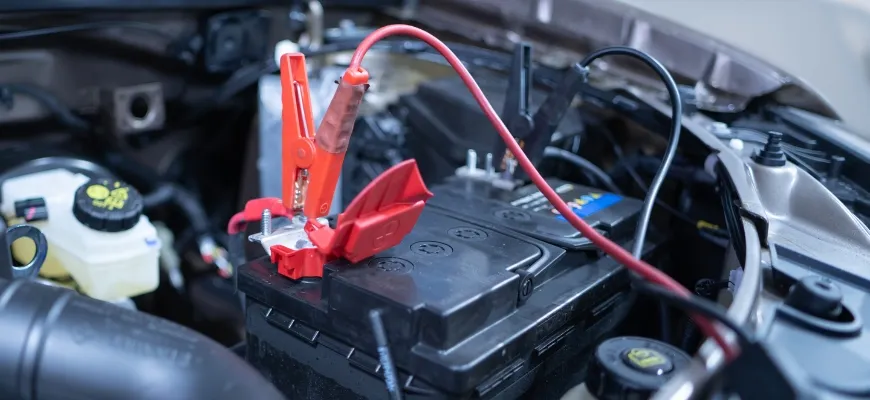
An empty battery is a relatively frequent occurrence, particularly when your car has been parked in either very hot or very cold conditions.
Jumper cables can have you going in several minutes in case another car is nearby. Connect the red cable to the positive end of the dead battery and then to the positive end of the working battery. Attach the black cable to the negative connection on your working battery, then to an unpainted metal part of your car (not the dead battery). Turn on the working car and wait about two or three minutes before you make an attempt to start your car.
Allow at least 30 minutes to drive with a jump start to allow the alternator to recharge the battery. In case your battery is dying over and over again, you might have to change the battery or go to a local motor parts store, which may be found even in smaller communities.
6. Getting Lost or Stuck on a Bad Road

In various regions of India, mobile data is not reliable to be applied, particularly in hilly or forested regions.
It is also advisable to always download offline maps when you are about to make a journey. You can even download whole state maps on Google Maps and Maps.me without being online. Carry a physical road map or a printout of your route as security – it is old school, but it works.
When you are on a muddy road or a waterlogged road, it is best not to rev the engine too hard. Attempt to move the vehicle back and forth. A small deflation of the tyres will increase the traction in mud. In case the car is literally stuck, request some locals to help you out – a crowd of people attempting to push a stagnant car is a common occurrence on the Indian rural roads.
7. Fuel Running Out
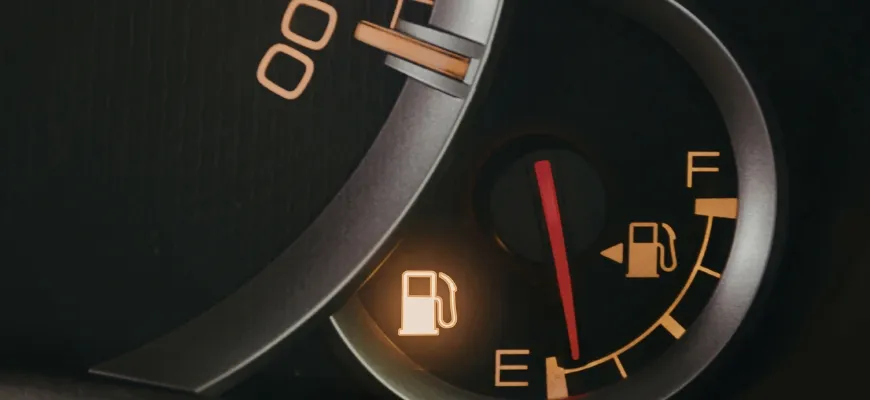
The highway network in India has been developed remarkably, and there are still distances between the petrol pumps that are long in such states as Rajasthan and Madhya Pradesh and in some regions of the North East.
Watch the fuel gauge and do not allow it to reach a quarter tank on long routes. Always have a small jerry can in case you are going into unreachable land.
There are apps like Google Maps and Petrol Pump Nearby that can be used to find the nearest fuel station. In remote areas, fuel stops on state highways are usually more common than on national highways.
8. Medical Emergency on the Road
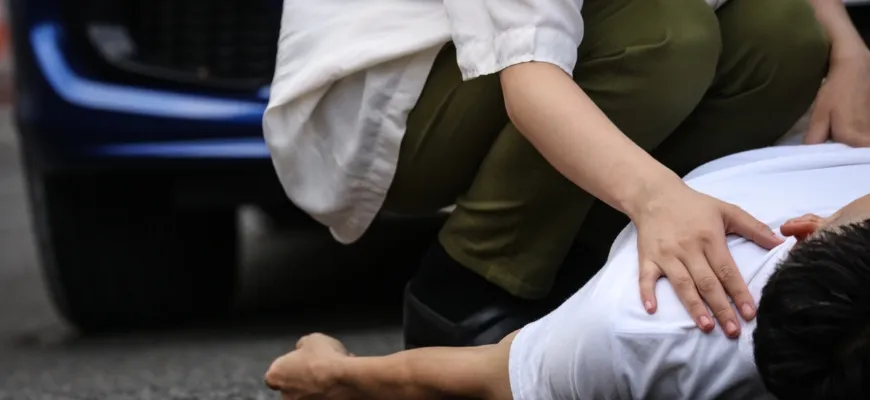
Always have a simple first aid kit: bandages, antiseptic, painkillers, ORS sachets, personal medication and a digital thermometer.
In case of serious emergencies, call 112 (police and ambulance) or 108 (ambulance service in most states). The Highway Patrol (Rajmargh Suraksha) is also present on national highways and can be used.
The Motor Vehicles Act Cashless Treatment Scheme provides victims of an accident the right to immediate medical care in any of the empanelled hospitals without an initial payment. This is in case of road accident victims in any part of India.
9. Documents that You have to carry at all times
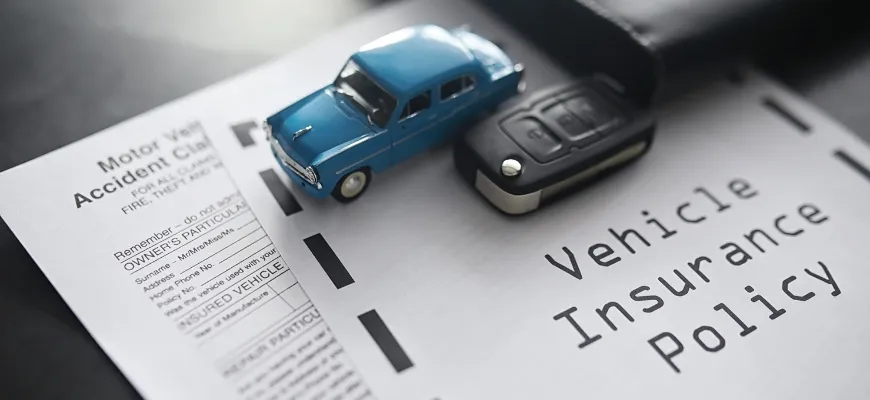
It is possible to be detained at a checkpoint without valid documents and lose a lot of time. Always keep these with you:
Driving permit (original/digi locker copy), vehicle registration certificate (RC), valid insurance documentation, Pollution Under Control (PUC) certificate and permit in case you are going across state boundaries with a commercial vehicle.
When you are in a rented car, you should also carry a rent agreement and No Objection Certificate (NOC) of the rental company should you be travelling interstate.
10. Emergency Numbers to Save Before You Travel
- National Emergency: 112
- Ambulance: 108
- Police: 100
- Fire: 101
- Highway Helpline (NHAI): 1033
- Women's Helpline: 1091
- Tourist Helpline (Ministry of Tourism): 1800-111-363.
Store them on your phone as well as put them in some physical place in case of a dead battery in your phone.
Planning Your Road Trip: A Note on Car Rentals
Having a good and well-maintained car is the difference between numerous such situations in the first place in case you are planning to go on a self-drive road trip. Rentrip provides self-drive car rental in India at a varied price, offering diverse types of cars that are used to drive in cities or even in mountainous areas. RenTrip provides documentation assistance on cars and has a customer service team that can give you a hand in case of some emergency during your rental period. Before the next time you travel, you should see what RenTrip has to offer.
Final Thoughts
Among the best countries in the world to visit through the road is India. The roads have been made better, navigation is now easier, and help is also accessible as never before. But preparation is all the same thing. Be prepared; carry the right number; have the right documents; be able to remain calm during a crisis; and know beforehand what to do in case something goes wrong.
With a little planning, an apparent disaster will be only another story you will tell when the journey is over.
Safe travels.
Top Car Rental Cities in India
Grow your business with Rentrip.
List your bike and become a member of rentrip family.


Comments
Be the first one to comment on this post.
Submit a Comment
Login or Register to add your comment