
- +91 9127008800
- Rentrip VIP New
- Blog
- Guided Tours
- Contact Us
- Offers
- Reviews
-
Download App


-
Download App
- Login / Register
Shopping Cart
Location
Cities
Budget Travel in 2026: Community-Tested Hacks That Actually Work

Blog
Home Blog
CATEGORIES
All Categories
ARCHIVES
All Dates

.webp)
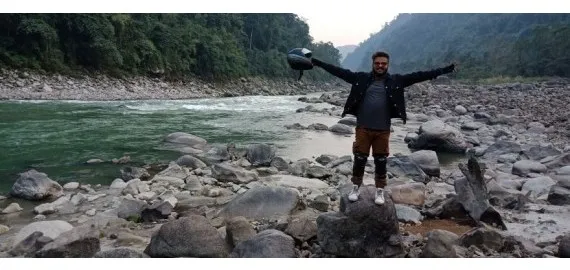

Budget Travel in 2026: Community-Tested Hacks That Actually Work
Budget travel in India has changed significantly within the last number of years. What used to be done through a lot of planning and making of numerous calls can now be done at the touch of a few buttons on your smartphone. The point is, though, the true treasures of low-end travel are not in well-designed travel brochures or influential posts. They are found in the mutual intelligence of real travelers, people who share their sincere notes posted in the digital nomad communities, discussions on Reddit and Facebook, where wanderers share their tips on the experience of the journey.
The travel fraternity has now been a resource that cannot be overlooked by any traveler who wants to visit India without depleting his or her bank account. Websites with the nomadic heart and more cost-conscious adventurers have shown tendencies in what is actually effective and what appears effective on paper. This blog is a collection of those community-tested strategies that have time and again proven to be effective in 2026.
Education of the New Budget Travel Landscape
The Indian traveling market in 2026 will be significantly different than just two years ago. Making payments electronically has now found its way even into the distant areas so that travelling with cash is now possible. The homestays have spread to surreal places, and collaborative consumption is not a niche anymore. Slow travel and remote working, which came after the pandemic as a consequence, have also produced a new generation of traveling: it is a traveler who stays longer, smarter, and immerses deeper into the local culture.
Accommodation: More Than the Obvious Choices
Community Living Spaces and Homestays
The most significant aspect of any trip is the cost of hotels and even hostels. The feedback of the community members always identifies homestays as the middle ground between price and experience. Homestays are no longer located only in tourist destinations; in 2026, you will find them in tribal villages in Chhattisgarh, in agricultural communities in Punjab, and in fishing villages in Odisha.
It is the trick of booking direct. Whereas the aggregator platforms add commissions that add to the prices, just a search on Google or even a query in the local travel groups would show you hosts that are offering lower rates on a direct booking. According to many travelers, they save 20-30 percent in such a manner.
The Workation Model
As remote work has become a norm, lots of travelers are bargaining monthly at hotels. A room at 1,500/night may be found at 25,000-30,000/month—a huge saving when you are going to spend your time at a single location. Entire ecosystems are built around this model that is present in the hill stations such as Bir, Kasol, and Gokarna.
Effective Use of Loyalty Programs
A number of hotel chains are currently providing free memberships with the accumulation of points. It has been noted by travelers in the community that enrolling in such programs is worthwhile even in cases where one would not normally visit chains. The accumulated by one or two stays can be converted to free nights in the future, and other schemes offer discounts in partner restaurants and activities.
Transportation: Not Just Cheap, Moving Smart
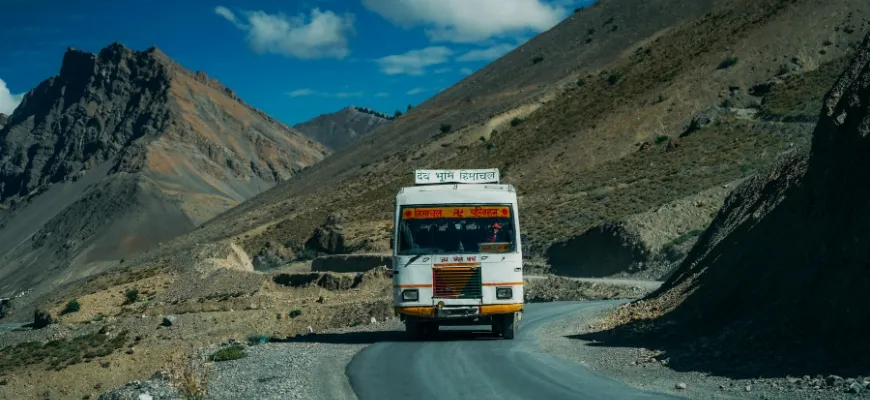
Traveling within India can take up a significant part of your travel budget, but community knowledge has singled out some methods that will remain cost-effective and convenient.
Train Travel Mastery
Indian Rail is always the friend of the budget traveler, but it all depends on how one books, and it is all fine. Travelers recommend:
- Tatkal booking skills: It has become an art to know when the Tatkal quotas open and book them at the right time. It is common among frequent travelers to have an alarm at 10 AM (in AC classes) or 11 AM (in non-AC) a day before travel.
-
Waitlist wisdom: Don't shy away from waitlisted tickets on popular routes. Community data suggests that waitlists often clear, especially in sleeper class. The key is understanding confirmation probability—several third-party apps now provide these predictions.
- Off-peak travel: The days of the week that are best in terms of availability and guaranteed tickets are Tuesdays, Wednesdays, and Thursdays.
Bus Networks: The Underestimated Alternative
State-operated buses have been enhanced in a better way, and most of the time the services offered by the state are better and inexpensive compared to the private ones. The KSRTC of Kerala, the KSRTC of Karnataka, and the MSRTC of Maharashtra are well connected and at affordable costs. Overnight buses traveling on well-maintained highways will save on the cost of traveling as well as on one night's stay.
Bikes and Cars: Self-Drive Freedom
It is here that it becomes interesting to the individuals in search of flexibility. There is the self-drive model, which has simply gone viral, and with reason. Owning your own wheels, be they two or four, brings out places that are not well served by transport modes.
To mountain bikers, it is their way of freedom of riding along mountain passes or coastal roads in their own time. On the same note, when you are with family or in a group, a self-drive car could seem to be a better option than various train or bus tickets, in addition to the benefit of being able to make stops wherever you please.
Rentrip, whether bikes or cars, has received much positive word in the traveler circles. Apparently, we have established a fine business in the tourist spots, and prices appear to be quite open without an excessive number of fees. As for picking up a bike in Manali and dropping it in Leh, or picking up a car in Goa and spending the week on a trip with the bike, it gives an extra dimension to travelling that could not be covered with the help of scheduled means of transport. Naturally, fuel and any toll fees must be included in the budget, but the flexibility-to-cost ratio will usually be in your favor, particularly with a group or when you are off the usual tourist trail.
Carpooling and Ridesharing
Applications that link passengers traveling in a similar direction have become popular. You do not only share fuel expenses, but also you usually get some traveling friends and local knowledge. This is especially effective on routes that are not well served by mass transit or on access to trailheads and other remote destinations.
Food: Eating Well on a Budget
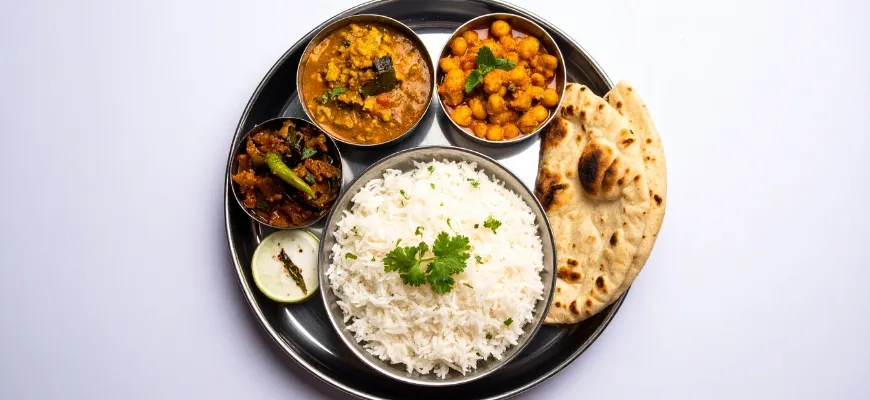
Indian street food has been the heaven of the budget traveler; however, that is not all when it comes to eating economically.
Local Thalis and Dhabas
The simple thali can never be beaten in terms of its worth. A single full meal costs 80-150. When you are traveling, one of the tips that travelers give is to consume food in establishments where you can notice the working people and families around the area because it is a good sign of good food at reasonable prices.
Dhabas are popular along the national highways, and they serve good food at fair prices. The community favorite? Get whatever the truckers are having. They know quality and value.
These are community kitchens in hostels and homestays
In case there is a kitchen in your accommodation, even the simple meals made at home may save a lot of money on a daily food intake. Light breakfast made in your room: bread, eggs, fruit, and tea are a quarter of the price in cafes. This is because many long-term travelers have claimed that by cooking not more than 2 times a week, they are saving sufficient money to spend on weekend extravagance in a more upscale establishment.
Happy Hours and Meal Deals
Cities and tourist resorts are becoming more popular with their happy hours and meal promotions. Another minor investigation provides the restaurants that have lunch deals, early-bird offers, or something free with a meal. Being a follower on social media with restaurants exposes you to flash offers and loyalty rewards.
Activities and Experiences: Free and Low-Cost Adventures
The most enjoyable things are not usually associated with an expensive cost.
Nature's Free Offerings
The natural beauty of India is so easily available. There are numerous hiking roads, shores, lakes, waterfalls, and observation points that do not cost a single penny other than the transportation to the locations. Community meetings are goldmines for finding less well-known routes and swimming pools that are still not commercialized.
Free Walking Tours
Free walking tours (tips) are now available in many cities. These do not only give you historical and cultural background but also aid in finding your way about a new destination. Local guided tours are the most knowledgeable tours; no guidebook can bestow information on you as far as the city is concerned.
Volunteering Exchanges
The work exchanges have also gotten advanced. The platforms match travelers to hosts who require assistance, either on organic farms, at hostels, teaching, or in digital marketing. You are given accommodation and, in some cases, food in exchange for a few hours of work per day. This model is especially convenient for traveling persons who wish to spend more time in one location and less money.
Local Festivals and Cultural Programs
Cultural initiatives by the government, festivals of temples, and local celebrations are usually free or nominal. These present legitimate cultural experiences that are much more treasured than any tourist performance that could be paid. Look at local event calendars, and do not be afraid to inquire with the locals on what events will take place.
Connection and Technology

SIM Cards and Data Plans
There is a universal recommendation of acquiring a local SIM as soon as you get there by the budget travelers. By 2026, the cost of data plans is unbelievably low, with 2 GB per day over the span of a month costing ₹500-600. This connectivity allows one to book the cheapest options in real time, get lost, and maintain contact with the rest of the travelers in case of possible cooperation.
The apps that do save money
The community has discovered a number of apps that it would enjoy:
- IRCTC Rail Connect: It is required to make bookings of trains, even with its hiccups.
- Yatra and Paytm: A common cashback discount on bus tickets.
- Zomato and Swiggy: Not delivery only—restaurant discovery with actual reviews.
- Maps.me: Offline maps that are offline.
- Google Translate: This is an indispensable tool that can guide you in search of the language you do not know in the state of your arrival.
Timing Your Travel
Travelling is almost as important as travelling.
Shoulder Season Advantages
Saving huge amounts through traveling either right before or right after the peak season is huge. Leh, in June or September, rather than in July-August. November or March, not December-January. You can encounter fewer crowds, can get a better deal, and, in most cases, have better weather too.
Weekday vs. Weekend
This is especially true when it comes to destinations that are close to big cities. Surges in price occur on the weekend and holidays in Goa, Rishikesh, Coorg, and Munnar. Come on Monday and you will get a much better rate.
Last-Minute Deals vs. Early Birds
There is a divided opinion on this in the community, though trends are observed. In the case of flights, the ideal balance is achieved by booking 6-8 weeks before the flight. Last-minute apps may also have offers on properties that had unsold inventory, and this is risky during high season. The train tickets, on the other hand, are to be booked as far as possible, 120 days in advance in the case of long-distance routes.
Money Management on the Road
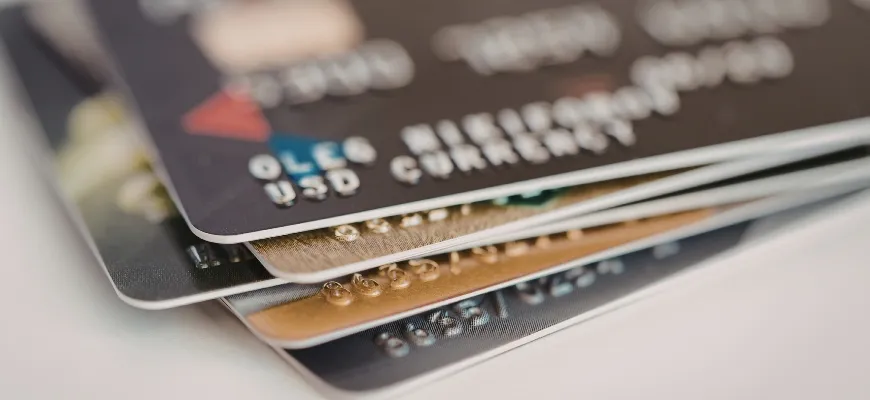
Multiple Payment Options
Do not use a single mode of payment. Although there is massive penetration of the digital, internet connectivity may go down in remote areas, and there are still vendors who prefer cash. Travelers recommend:
- One primary debit card
- A backup credit card
- Cash in small denominations
- The use of UPI as a preferred digital payment.
Daily Budget Tracking
Budget travelers who fly successfully are compulsively concerned with expenditure, not to be tight with money but to know how money is spent. Apps such as Splitwise (even when one is alone) or even just spreadsheets can keep the consciousness up. Such awareness itself saves unwarranted spending.
Emergency Buffer
It is important to have an emergency fund, which should not be included in your daily budget; it is preferable to have 30-40 percent of the overall trip budget. This includes any case of unforeseen situations, without devastating your trip and eliminating the need to shorten it.
Wisdom in the Community: What Veterans Recommend
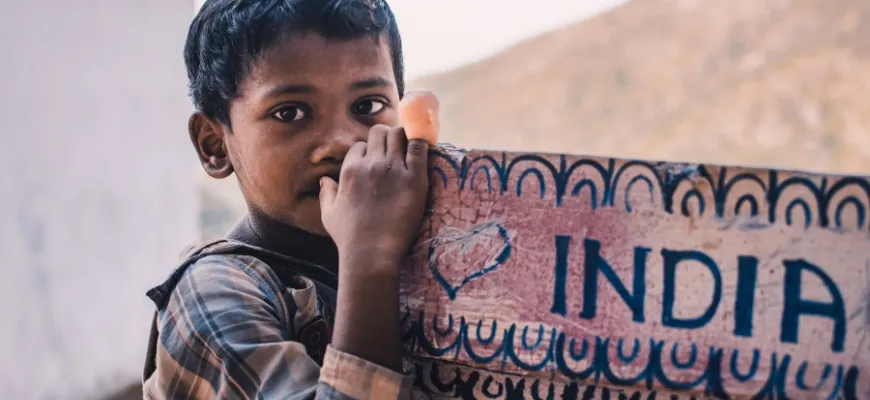
Having collected the feedback of hundreds of travelers, some similar patterns are observed:
Going less fast: There is never enough money or energy to move between places. It is almost always less expensive and more fulfilling to stay longer in a limited number of places.
Connect with the local: Nobody knows better than the chai wallah, or the homestay host, or the colleague on the bus who would know their way to the top tourist spots in the country. Be truly interested in the lives of people and their suggestions.
Be flexible: Flexible schedules tend to be expensive in return. The tourist who is ready to change his plans depending on the opportunity—a celebration next week, a group of people going to share a taxi, or a homestay host suggesting a local village—always has a better experience and reduces his expenses.
Question recommendations: Not all advice is equally valuable. The family looking for comfort has different priorities than the solo backpacker seeking adventure. Filter community advice through the lens of your own travel style.
Invest in experiences, economize on logistics: Splurge on that cooking class, the sunrise trek, the classical music concert. Economize on fancy hotels and expensive restaurants. Years later, you'll remember the experiences, not the thread count of your sheets.
Promoting Safety and Sustainability with a Budget
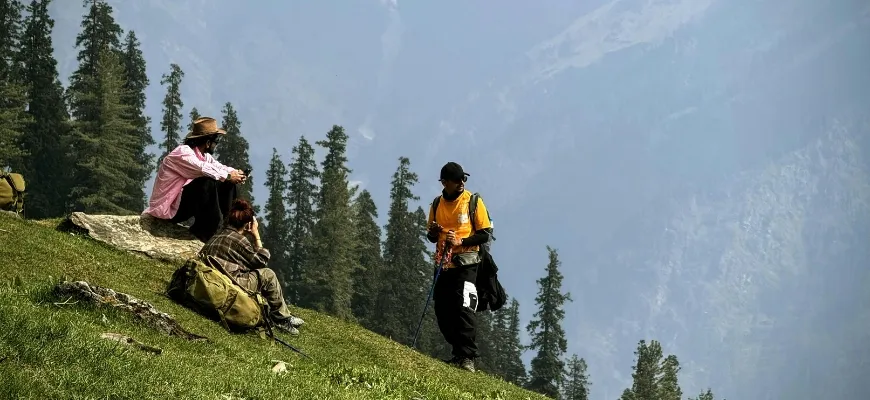
Low-cost travel need not be the source of a compromise between safety and responsibility towards the environment.
Consciousness of the budget with regard to safety
- Do not select the cheapest possible option of overnight transfers; check the reviews.
- In accommodations, what matters should be the places in safe neighborhoods and not marginal savings.
- Post your location with friends or relatives traveling to remote locations.
- Follow your gut; for anything that does not feel right, pay a little more to be on the safe side.
Sustainable Budget Travel
Budget and sustainable travel do not contradict one another:
- The cost of using public transport is cheaper and more environmentally friendly.
- By staying in local homestays and dining in local restaurants, the money remains within the local communities.
- Wastes are minimized by carrying reusable water bottles, bags, and cutlery.
- Spending extended periods in fewer locations will decrease your carbon footprint due to traveling all the time.
Final Thoughts

In 2026, budget travel in India will not be about deprivation, but it will be about prudent use of resources in relation to things that really make your traveling experience more enriching. As it turns out, all these gems of wisdom of the travelling community show that cheap travelling tricks and shortcuts are not the best in the majority of cases, but an attentive decision that is not always super-cheap, but rather super-duper.
India is an infinite destination whether you are a student with a shoestring budget that you have to stretch over months of travel or are a remote worker that just wants to spend on experiences and not luxury goods. The trick is to see an impossibility in budget travel and think of it as a creative challenge, one that in most cases results in more authentic, memorable, and meaningful travel than any money available could offer.
Digital nomad communities, backpacking communities, and budget travelers have formed a knowledge commons that is good for all. Since you will be traveling, also think of giving back to these communities through your own learnings. Report on what worked, what did not, and what surprised you. That is the way we all go along.
Bon voyage, and may your pocketbook go farther than you yourself thought you could.
Top Car Rental Cities in India
Grow your business with Rentrip.
List your bike and become a member of rentrip family.


Comments
Be the first one to comment on this post.
Submit a Comment
Login or Register to add your comment